





Correlation Between Bacteria Count Using A Rapid Bacterium Counting System And Changes In Wound Area On Diabetic Foot Ulcers In Indonesia: :A Prospective Study

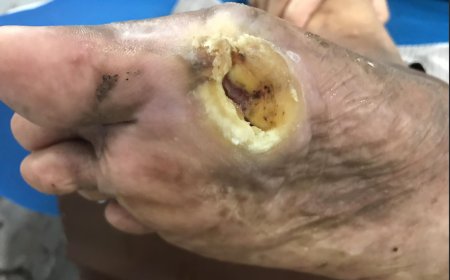
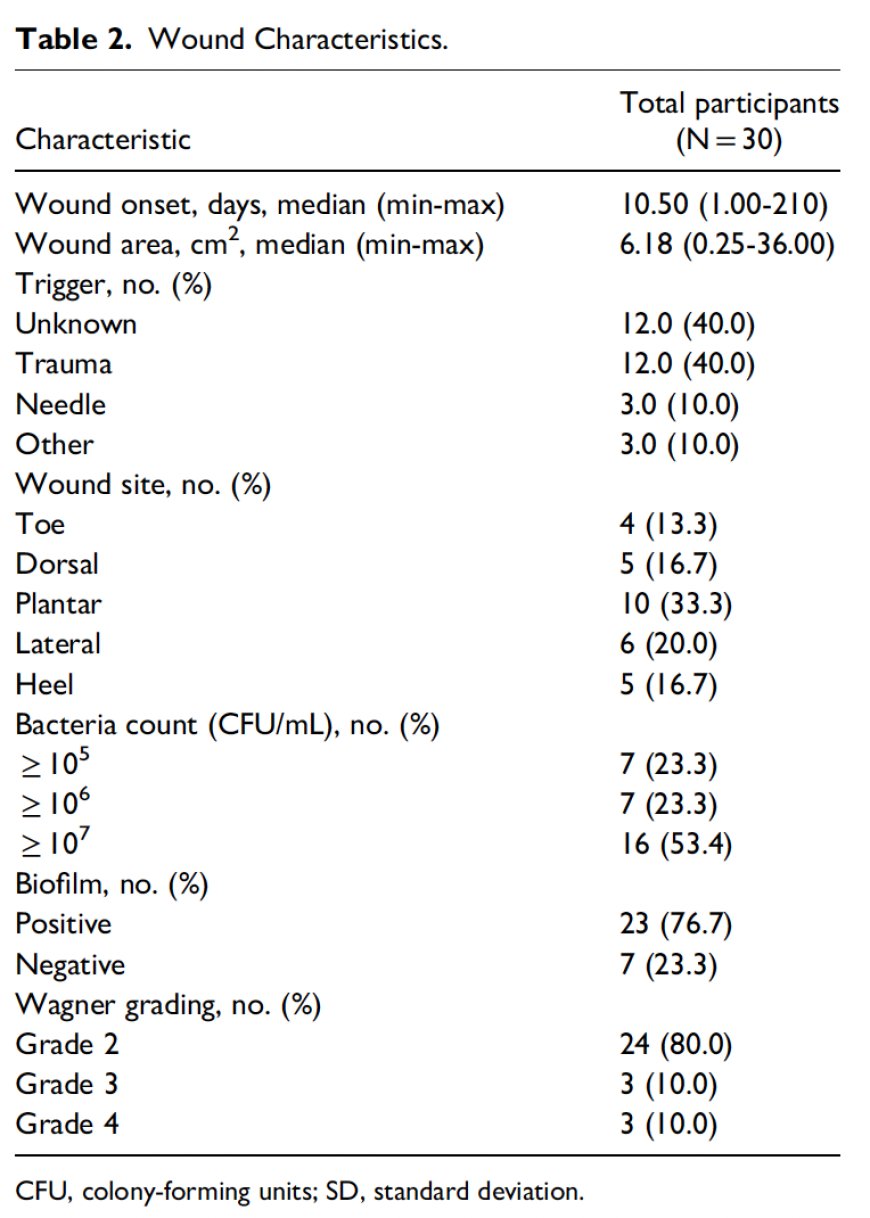
This study aimed to clarify the correlation between changes in bacterial number and wound area in diabetic foot ulcers
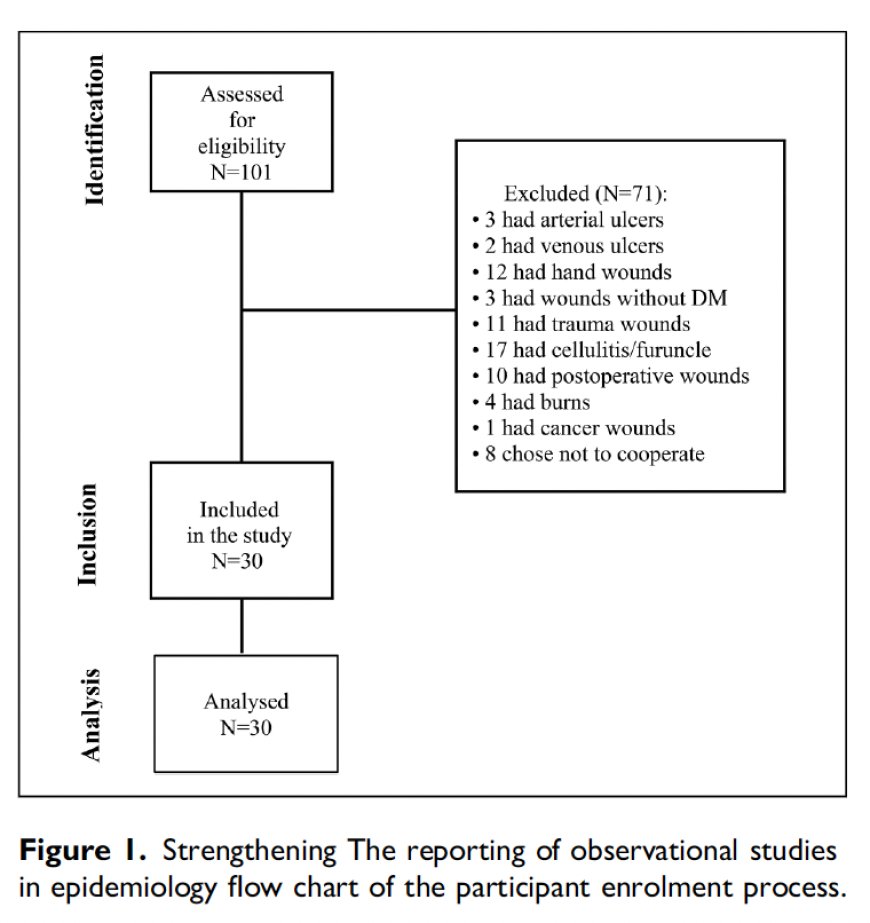
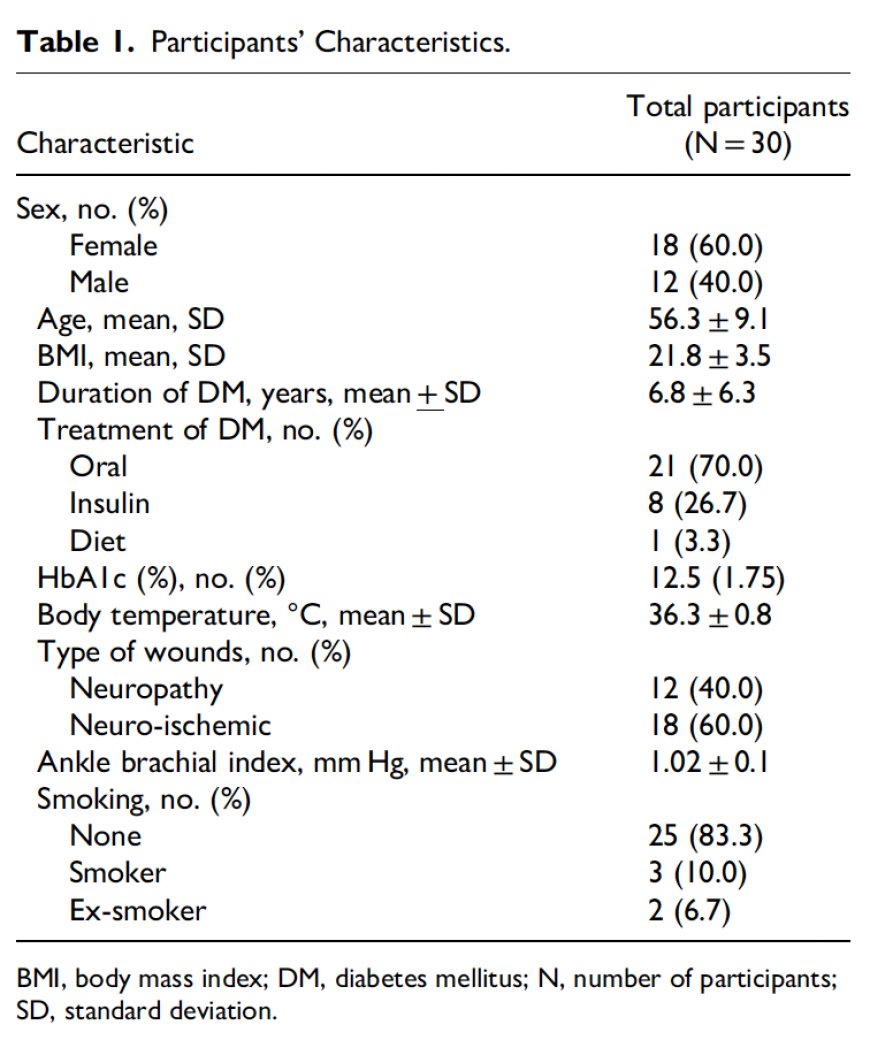
(DFUs). This study used a prospective longitudinal cohort design. A total of 30 participants met the inclusion criteria.
Changes in bacterial number and wound area were evaluated weekly until week 4. The chi-square test indicated no significant
correlation between biofilm formation and wound area (p =0.32) but a significant correlation between bacterial count
and wound area (p=0.05). Logistic regression analysis showed a significant correlation between bacterial count and changes
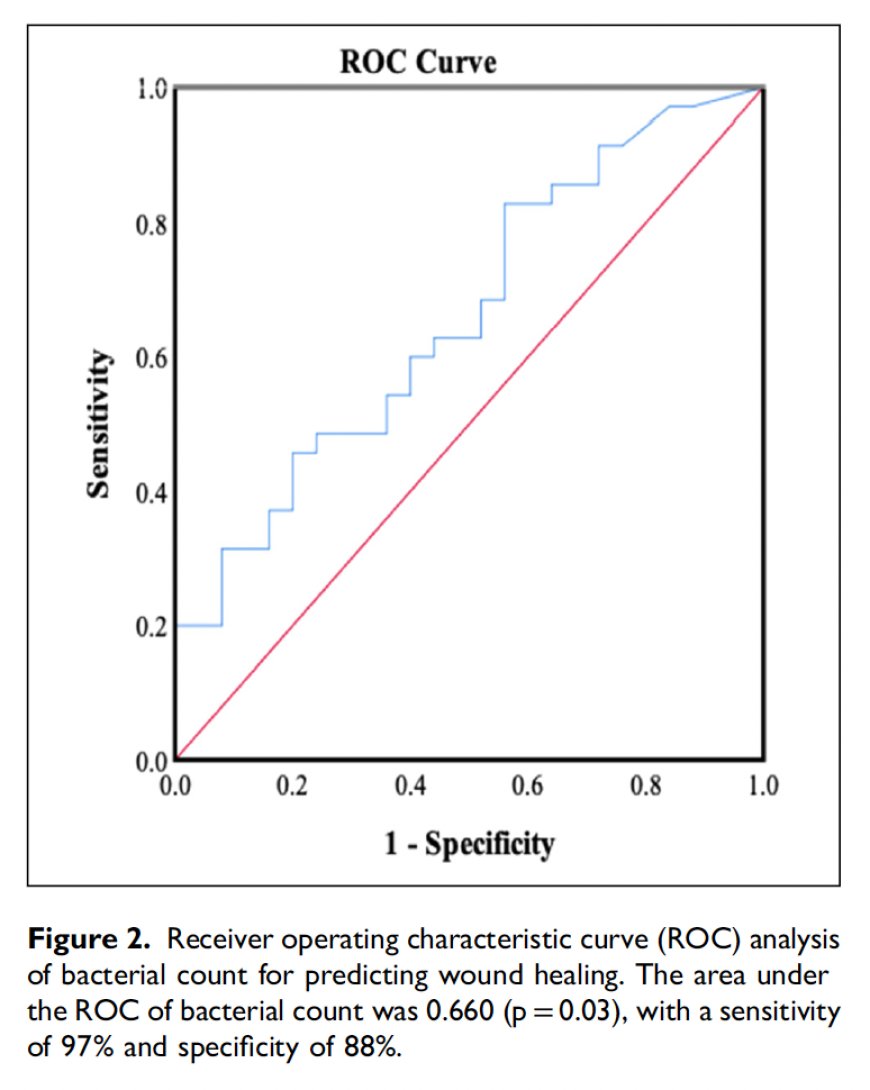
in wound area (odds ratio, 0.60; 95% confidence interval [CI], 0.372-0.997; p=0.04). The receiver operating characteristic
analysis showed an area under the curve of 0.660 (95% CI, 0.52-0.79; p=0.03) with a sensitivity of 97% and specificity of
88%. The present prospective longitudinal cohort study demonstrated the correlation between bacterial count changes and
wound area in DFUs. Our results suggest that changes in bacterial count could help wound healing evaluations. (Sumber: The International Journal of Lower Extremity Wounds, 2025) (https://pubmed.ncbi.nlm.nih.gov/35521915)
What's Your Reaction?
 Like
0
 Dislike
0
 Love
0
 Funny
0
 Angry
0
 Sad
0
 Wow
0